Private Locates (Level B)
The Crucial Task of Locating Buried Utilities
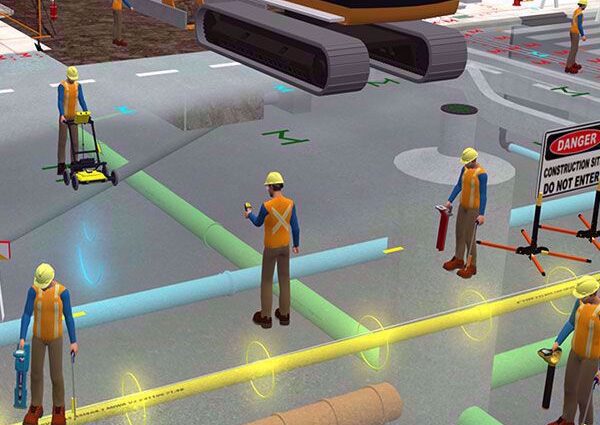
In today’s modern landscape, our cities, towns, and even rural areas are teeming with underground networks of utilities that supply us with essential services such as water, gas, electricity, and communication. As we continue to develop and expand our infrastructures, it becomes increasingly important to be aware of these subterranean systems, both for the safety of workers and the integrity of the services they provide. This is where the task of locating buried utilities comes into play.
Why is it Important to Locate Buried Utilities?
- Safety First: One of the main reasons for locating utilities before digging is safety. Striking a gas or electric line can lead to catastrophic consequences, risking the lives of workers and nearby residents.
- Avoid Service Disruptions: Accidentally damaging a utility line can cause massive disruptions. Imagine the ramifications of knocking out internet service to a whole neighborhood or spilling sewage into streets.
- Economic Considerations: Damaging utilities can be incredibly costly. Besides repair costs, there could be legal consequences and damage to a company’s reputation.
Methods of Locating Buried Utilities
- Electromagnetic Locators: These are the most commonly used tools. They function by detecting radio frequencies emitted by conductive utilities.
- Ground Penetrating Radar (GPR): This non-intrusive method uses radar pulses to image the subsurface. It’s especially useful for non-metallic utilities like plastic water pipes or fiber optic cables.
- Acoustic Locators: By picking up sounds made by leaking pipes or cables under stress, these locators can help identify their position.
- Dye Testing: By introducing dye into systems like drains, it’s possible to trace where they lead.
Best Practices in Utility Location
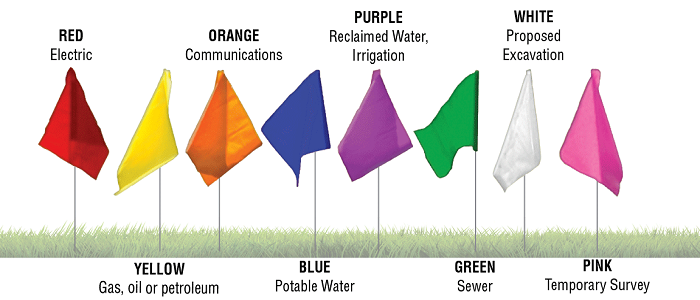
- Call Before You Dig: In many countries, there’s a dedicated number to call before undertaking any digging project. In the U.S., for instance, one can call 811 to get underground utilities marked.
- Use Multiple Methods: To ensure maximum accuracy, it’s a good idea to use multiple methods of detection.
- Stay Updated: New utilities are added and old ones are decommissioned. Regularly update your maps and data.
- Training: Ensure that staff responsible for locating utilities are adequately trained and have access to the latest tools and technologies.
The Future of Utility Locating
The field is rapidly evolving with the incorporation of new technologies. Advanced GPR systems, AI-driven analysis tools, and integration with GIS (Geographical Information Systems) are providing more accurate and comprehensive maps of underground utilities. Drones equipped with special sensors might also play a role in the future.
Moreover, as the world becomes increasingly connected, there’s an ongoing push towards creating standardized digital maps of underground utilities that can be easily accessed and updated in real-time.
In Conclusion
Locating buried utilities is an essential task that plays a crucial role in ensuring safety and service continuity. As we continue to urbanize and lay down more and more utilities, the importance and complexity of this task will only increase. Embracing new technologies and best practices will be essential to navigate the challenges of our subterranean landscapes.