

Subsurface Utility Engineering (SUE)
Subsurface Utility Engineering: A Deep Dive into What Lies Below
When we gaze at sprawling urban landscapes or the intricacies of infrastructure that support our daily lives, it’s easy to overlook the vast and complex world lying just below our feet. Yet, as any developer, city planner, or construction professional will tell you, understanding this subsurface realm is crucial. This is where Subsurface Utility Engineering (SUE) enters the scene.
What is Subsurface Utility Engineering (SUE)?
Subsurface Utility Engineering is a specialized discipline of engineering that manages risks associated with utility mapping at appropriate quality levels, utility coordination, utility relocation design and coordination, utility condition assessment, communication of utility data to concerned parties, utility relocation cost estimates, and the implementation of utility accommodation policies. In simpler terms, SUE provides a framework for understanding, managing, and strategizing around the utilities that exist beneath the ground.
Why is SUE Important?
- Safety First: One of the main concerns during any construction or excavation project is the inadvertent striking of subsurface utilities. Hitting gas, water, or electrical lines can be disastrous, resulting in injuries, fatalities, service disruptions, and expensive repairs.
- Cost Efficiency: Proper mapping and understanding of subsurface utilities can save huge sums of money. By avoiding unforeseen utility relocations or damages, projects can stay on budget and on time.
- Project Efficiency: Knowing where utilities are, and their condition, allows for better project planning and can prevent costly delays.
The Process of SUE
- Quality Levels: SUE is characterized by its adherence to data quality levels, which range from D (lowest) to A (highest):
- Quality Level D (QL-D): This is essentially the use of existing utility records or verbal recollections.
- Quality Level C (QL-C): This involves surveying visible utility facilities and then correlating this information with existing records.
- Quality Level B (QL-B): Uses non-invasive techniques like ground-penetrating radar to determine the presence of subsurface utilities and provide a 2D horizontal positioning of these utilities.
- Quality Level A (QL-A): Provides the type, size, condition, material, and precise location (including depth) of underground utilities, often through the use of non-destructive digging equipment.
- Data Collection: Depending on the quality level being aimed for, professionals will use a variety of tools, from simple record-keeping to ground-penetrating radars and even vacuum excavators.
- Data Management: All data collected is then integrated into CAD systems or Geographic Information Systems (GIS) to make it accessible and usable for project design and planning.
Challenges in SUE
While SUE is an incredibly valuable tool in urban and infrastructure planning, it is not without challenges:
- Inaccurate Records: Often, utility records (especially older ones) can be inaccurate, leading to complications during the SUE process.
- Emerging Technologies: As the field of subsurface utility engineering evolves, so too do the technologies and methods associated with it. Staying updated and training professionals on these technologies can be a challenge.
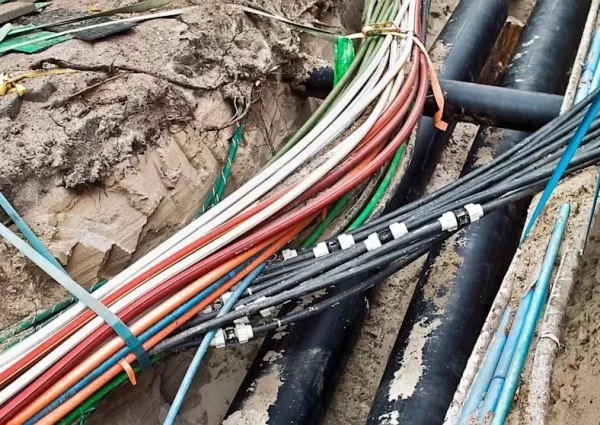
- Utility Complexity: In densely populated areas, the subsurface can be a veritable maze of utilities, making mapping and planning quite complex.
Wrapping Up
Subsurface Utility Engineering serves as an unsung hero in the world of infrastructure development and urban planning. By providing a clear understanding of what lies beneath, SUE helps prevent potential disasters and ensures the smooth execution of projects. As our cities continue to grow and our reliance on subsurface utilities deepens, the role of SUE will only become more pivotal.
Why Choose Us
Our experienced Surveyors and Engineers have always focused on quality and accuracy.
Subsurface Utility Engineering (SUE) involves locating, identifying, and mapping underground utilities. By combining geophysical tools and civil engineering, SUE ensures accurate knowledge of utility locations, preventing construction conflicts, reducing risks, and ensuring safety during infrastructure projects. It’s essential for informed decision-making in urban development.